















Do you remember the sound?

The clink of coins. The click of a worn red button. A dozen attract screens calling across patterned carpet while synth notes, explosions, and electronic sirens blended into one glorious noise. In the late ’70s and ’80s, the arcade was more than somewhere to play. It was where rumours travelled, high scores became local legends, and one last life could make you late home for tea.

1962–72THE FIRST SPARK
BEFORE THE ARCADE

From a university starfield to a bar-room cabinet

In 1962, students and researchers at MIT gathered around a PDP-1 computer to play Spacewar!: two tiny ships duelling around a star. It was never built for the high street, but its ideas escaped the laboratory.

Computer Space carried that spark into a commercial coin-operated machine in 1971. Then, in 1972, Atari’s Pong made everything wonderfully simple: two paddles, one square ball, and a challenge anybody could understand in seconds. The prototype reportedly filled with so many quarters that its coin box jammed. The modern video arcade had found its heartbeat.
1978THE INVASION
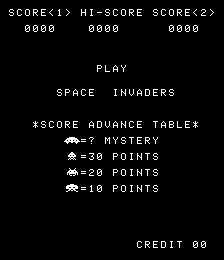
Space Invaders title screen, representing the 1978 arcade boom
SPACE INVADERS · TAITO · 1978
THE BOOM BEGINS

When the invaders landed

Space Invaders turned the cabinet into a theatre of tension. The aliens crept lower, the four-note pulse grew faster, and a queue formed behind you while your last cannon flickered beneath the shields.

Its success helped transform amusement halls and bars into dedicated video arcades. Suddenly the glow was everywhere. Machines competed for attention with painted side art, flashing marquees, distinctive controls, and sounds designed to reach you from the other side of the room.

1979–82THE GOLDEN AGE
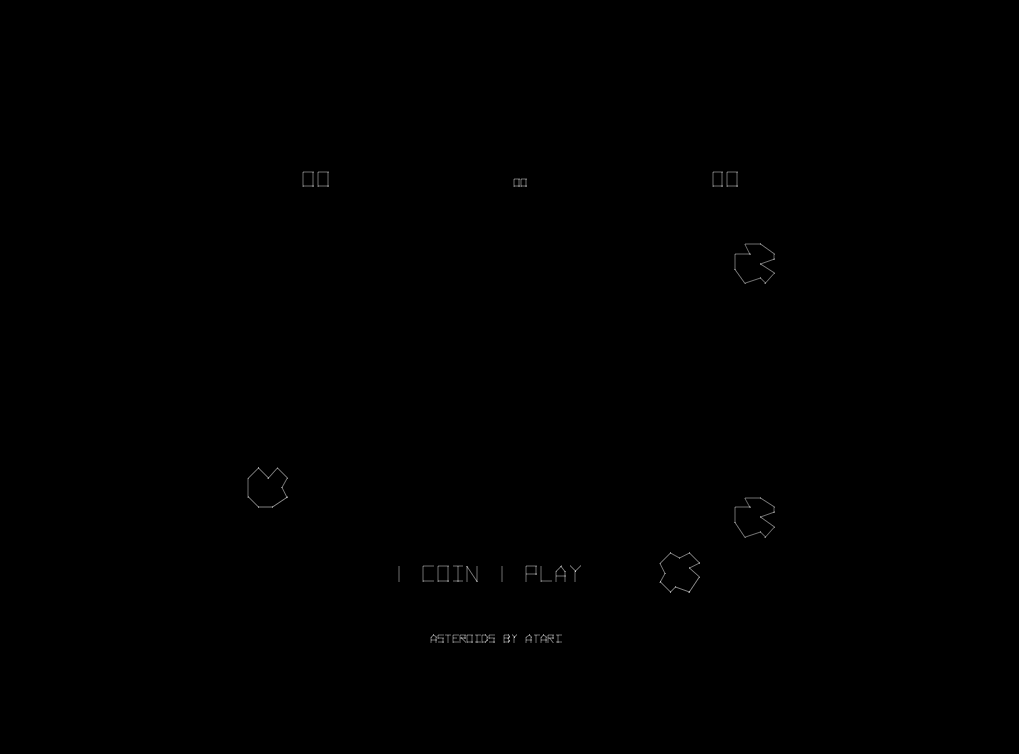
Original Asteroids arcade cabinet artwork
ASTEROIDS · ATARI · 1979
NEON NIGHTS

Every cabinet was a new world

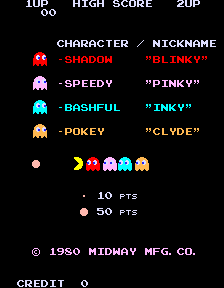
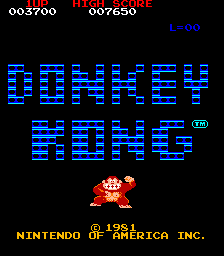
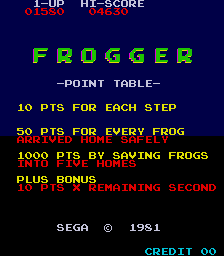
Then came the rush: Asteroids traced razor-sharp vectors across black space. Pac-Man turned a maze and four ghosts into a pop-culture phenomenon. Donkey Kong gave players a character, a story, and a carpenter called Jumpman. Frogger, Galaga, Defender, Centipede, and dozens more each asked for “just one more go.”

The best players learned patterns by instinct and guarded their initials at the top of the score table. There were no online guides in your pocket. Secrets passed from player to player, shouted over the cabinets or scribbled into magazines. Skill was public, failure was public, and a brilliant run could gather a silent crowd behind your shoulder.

1977–85THE LIVING ROOM
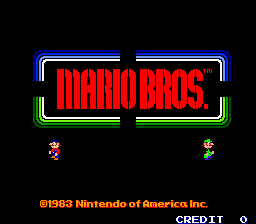
Mario Bros. title screen, evoking the move from arcade characters to home consoles
MARIO BROS. · NINTENDO · 1983
THE ARCADE COMES HOME

No queue. No closing time.

The television had been waiting in the next room. Atari’s Video Computer System arrived in 1977, and cartridges promised a library of games without leaving the sofa. Early home versions rarely looked or sounded exactly like the cabinets, but that hardly mattered: now you could practise until bedtime without feeding another coin into the slot.

After the crowded home-game market crashed in North America in 1983, Nintendo’s Family Computer—Famicom—found huge success in Japan. Reworked as the Nintendo Entertainment System, it reached North America in 1985. Familiar arcade heroes such as Mario helped make the handover feel natural. The place where games lived was beginning to change.

LATE ’80s–’90sTHE LAST GREAT NIGHTS
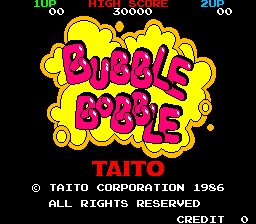
Bubble Bobble title screen
BUBBLE BOBBLE · TAITO · 1986
THE LIGHTS DIM—BUT NEVER GO OUT

The end of an era, not the end of the arcade

Arcades did not disappear overnight. They fought back with experiences the living room could not yet match: four-player brawlers, hydraulic racing seats, light guns, huge screens, and fighting games that turned every match into a neighbourhood event. For a while, the newest coin-op hardware still felt like a glimpse of the future.

But consoles grew faster, cheaper, and closer to arcade quality. By the late 1990s, many familiar arcades had gone quiet as players chose long adventures, multiplayer nights, and unlimited retries at home. The rows of cabinets thinned. The carpet faded. Somewhere, an attract screen kept calling to a room with nobody in it.

CONTINUE?

The quarter never really ran out

Arcades survive in seaside halls, specialist bars, museums, family entertainment centres, and the memories of everyone who ever leaned into a cabinet and whispered, “This is the run.” Their design lives on too—in high scores, short sessions, instant restarts, and games that teach you everything with one joystick and a glowing button.

Return to the arcade